

Certificate of
Post-Baccalaureate Pre-Health (PBPH)
100% Online

Learning Style
100% Online Fully Online CoursesApply by
12/21/26 Free to ApplyCredit Hours
18-30 Credits Customizable CurriculumTest Free
No GRE Experience-Focused AdmissionPost-Baccalaureate Pre-Health Certificate Overview
UNE Online’s Post-Baccalaureate Pre-Health Certificate is an 18–30 credit, fully online program designed for students preparing to pursue advanced degrees in healthcare or medicine. It’s an ideal option for those who still need to complete prerequisites for medical school, or before applying to other health professional programs, such as dental, physician assistant, veterinary, pharmacy, nurse practitioner, physical therapy, occupational therapy, or registered dietitian pathways. With competitive tuition and flexible 8- and 16-week online courses and structured 15-week courses, you can complete the prerequisite coursework you need sooner and more affordably. We also offer accelerated 6-week and 12-week online courses during our summer sessions.
The curriculum is customizable, allowing you to select only the courses required for your intended professional program. After you complete your first two courses, you’ll work closely with an academic advisor who helps you build a course plan tailored to your goals and timelines. All courses and labs are delivered online, making it possible to progress from anywhere.
To further support your application, eligible students may earn a committee letter upon successful completion of the certificate. This added credential can strengthen your candidacy for admission to medical school or other competitive health programs.
Post-Baccalaureate Pre-Health Certificate Program Differentiators
Guaranteed Interview with Partner Programs
The UNE College of Professional Studies Articulation Agreements give qualified students a defined, supportive pathway into competitive dental, health professions, and osteopathic medical programs. Partnerships with UNE Westbrook College of Health Professions, UNE’s College of Dental Medicine, Des Moines University (Doctor of Podiatry Medicine Program), and the Idaho College of Osteopathic Medicine offer eligible Post-Bacc Pre-Health students a guaranteed admission interview. See all articulation agreements and eligibility criteria.
Customizable Curriculum
Students build a tailored course plan for any health profession pathway, whether pursuing post-bacc pre-med, pre-PA, or pre-dentistry. You take only the courses you need, making the program flexible, efficient, and aligned with your target professional program.
Affordable Tuition with Accelerated Options
At $475 per credit, UNE Online provides one of the most cost-effective ways to complete prerequisites for medical, PA, dental, or other health programs. With approximately 8-week accelerated sessions and structured 15-week courses throughout the year, and 6- and 12-week options during summer, students can progress quickly and pay less while maintaining the flexibility needed for busy schedules.
Personalized Advising and Referrals
Every student receives individualized academic advising to map out required courses and timelines for their intended health profession program. Eligible graduates may also earn a committee letter. This added credential can significantly strengthen applications to medical, PA, dental, and other competitive programs.
Is UNE Online’s Post-Bacc Pre-Health Certificate Accredited?

We are proud to hold NECHE (New England Commission on Higher Education) accreditation. NECHE Accreditation ensures a high level of academic quality and public accountability for the education being provided.
Best Colleges: National, U.S. News & World Report 2026
Best Colleges Princeton Review 2026
What are the Admissions Requirements?
At UNE Online, we take a holistic approach to admissions for the Post-Baccalaureate Pre-Health Certificate. The program welcomes applicants from diverse academic backgrounds who are preparing for careers in the health professions. Successful students demonstrate academic readiness, motivation for healthcare pathways, and the ability to manage rigorous coursework in an online learning environment.
Admission Requirements
We recommend an undergraduate GPA of 2.67 or higher.
- The Post-Bacc Pre-Health admission committee will seek to admit those who will make the finest medical professionals and healthcare providers. We take a holistic approach to reviewing submitted applications and take into consideration applicable real-world experience, success in graduate level programs after an undergraduate career, and a well written personal statement expanding on all of the above.
Application Materials
Complete a fast and free online application.
Please tell us more about your academic journey (500-1000 words). What challenges have you faced, what have you learned from those experiences, and how are you preparing to succeed this time?
Unofficial transcript showing bachelors degree conferral date and overall GPA.
Other unofficial transcripts showing prior coursework outside of undergraduate degree are recommended, though not required, to aid in course advising.
If you have questions or would like additional information about our Post-Bacc Pre-Health program, feel free to schedule an appointment with an Enrollment Counselor or email prehealth@une.edu.
What is the Post-Baccalaureate Pre-Health Certificate Curriculum?
The Post-Baccalaureate Pre-Health Certificate curriculum emphasizes rigorous foundational science preparation for advanced health professional programs. Coursework is delivered 100% online through structured, instructor-led courses and virtual laboratory experiences that replicate hands-on scientific learning. Students complete 18–30 credits tailored to required prerequisites, supported by personalized advising to align coursework with professional school admissions goals.
Courses
ANPS 1010 | 4 credit hours
This is the first of a series of two courses in Anatomy and Physiology. It is fast-paced and designed to provide the foundation for students that intend to pursue a career in healthcare or seek admission into a professional school.
This course is structured to teach the anatomy and physiology of the human body by organ systems and includes a laboratory component that reinforces concepts learned in the theory component of the course, while simultaneously providing opportunities to master skills that are commonly used in healthcare practice. Emphasis is placed on clinical applications, structure and function, integration of body systems, homeostasis, and critical thinking.
Topics covered in this course include an overview of anatomy concepts, levels of organization of the human body (molecules to organismal), histology, integumentary system, skeletal system, muscular system, human development, and reproductive system. Delivery method: fully online.
Desirable background: Basic biology and chemistry.
ANPS 1011 | 4 credit hours
This is the second of a series of two courses in Anatomy and Physiology. It is fast-paced and designed to continue to provide the foundation for students that intend to pursue a career in healthcare or seek admission into a professional school. This course is structured to teach the anatomy and physiology of the human body by organ systems and includes a laboratory component that reinforces concepts learned in the theory component of the course, while simultaneously providing opportunities to master skills that are commonly used in healthcare practice. Emphasis is placed on clinical applications, structure, and function, integration of body systems, homeostasis, and critical thinking. Topics covered in this course include the nervous system, cardiovascular system, Immune system, respiratory system, digestive system, urinary system, fluid, electrolyte and acid balance, metabolism, and nutrition.
Delivery method: fully online. Desirable background: A&P I
ANTH 1011 | 3 credit hours
Cultural Anthropology 1011 introduces you to the study of human cultural patterns and learned behavior. You will explore the discipline through weekly topics that include linguistics and religion, social and political organization, race and ethnicity, culture and personality, culture change and applied anthropology. The study of cultural anthropology helps to provide you with a more open and sensitive attitude towards persons of other cultures and ethnic backgrounds by exploring commonalities of belief and life intention and reflecting on the role of enculturation in shaping the lives of societies and individuals.
BIOL 1010 | 4 credit hours
Biology I is a four credit course incorporating an at-home laboratory component. This course is designed for individuals with a baccalaureate degree who need Biology as a prerequisite to apply for admission to various health professions’ programs, such as, but not limited to, graduate programs in dietetics, nursing, physical therapy, physician assistant, nurse anesthesia, pharmacy, veterinary medicine, dental medicine and medicine. Biology I can be both a standalone course or a precursor to Biology II (BIO 1011) with an emphasis on providing a conceptual framework for understanding the basics of modern biology, the scientific method, the chemical basis of life, cell biology and reproduction, and genetics so that the student will be well equipped to apply this knowledge in his or her further studies.
BIOL 1011 | 4 credit hours
Biology II is a four-credit course incorporating an at-home laboratory component. This course is designed for individuals with a baccalaureate degree who need Biology as a prerequisite to apply for admission to various health professions programs, such as, but not limited to, graduate programs in dietetics, nursing, physical therapy, physician assistant, nurse anesthesia, pharmacy, veterinary medicine, dental medicine and medicine. Biology II can be both a standalone course or a continuation of Biology I (BIOL 1010) with an emphasis on providing a conceptual framework for understanding the basics of modern biology, evolution, ecology, biodiversity, anatomy, and physiology so that the student will be well equipped to apply this knowledge in his or her further studies.
BIOL 1015 | 3 credit hours
This course explores the animal branch of the family tree of all living things, focusing especially on vertebrates. We will learn what makes animals different from other organisms like plants or fungi, and also how the various animal species differ from each other. Major themes running through the course include: phylogenetics (how animal species are related to each other); evolution (how we got all the different kinds of animals); metabolism (how different animals survive and regulate their bodies); reproduction strategies (how animals make more animals); and ecology (how animals interact with other living things and their environments).
BIOL 1020L | 4 credit hours
This course is designed to meet the microbiology prerequisite for students who are applying for admission to health profession programs. Most students taking this course will have an undergraduate degree and will be in the process of a career change. Online Microbiology is a one-semester course. It will emphasize the concepts that are a necessary groundwork for courses the student will take in his/her professional program.
Topics covered in this course include: the history of microbiology, microbial morphology and physiology, bacterial metabolism, genetics, ecology, and the classification of microorganisms, particularly bacteria, fungi, and viruses. Therapeutic agents used to disrupt and control microbial growth are considered and a body systems approach is utilized in the coverage of diseases.
BIOL 1050 | 3 credit hours
This course will introduce and explore basic concepts and theories of cell biology with an emphasis on its application in understanding human health. Topics include an introduction to cell theory, the chemical composition of cells, cellular functions and cell signaling, reproduction and genetics. Each of these topics will be explored through course readings, video lectures/demonstrations, discussions, and a variety of experiential activities, including a course project. Students will demonstrate their mastery of cell biology concepts through quizzes and a cumulative final exam. Students will also have the opportunity to apply the concepts learned in this course to evaluate a human disease.
BIOL 1035 | 3 credit hours
This course provides a broad overview of the most common and important human diseases. Throughout the 8-week term, we will address aspects of disease epidemiology, diagnosis, and treatment. The course will begin with an overview of foundational vocabulary and concepts, as well as a broad analysis of the most common and significant diseases. We will then establish a framework for the basic disease processes before moving on to discussions of specific organ systems. The course will conclude with a consideration of diseases that impact multiple organ systems.
BIOL 1055 | 3 credit hours
This course will introduce and emphasize on the basic concepts of molecular biology and the application of these concepts in the medical field. The knowledge attained in the course will be used to understand human diseases. Topics include knowing about biomolecules like DNA, RNA and proteins, central dogma, DNA replication, DNA repair and regulation of gene expression. Each of these topics will be explored through course readings, video lectures, case studies, journal clubs, discussions forums and digital concept mapping. Students will demonstrate their knowledge of molecular biology concepts through quizzes and a cumulative final exam.
BIOL 1060 | 3 credit hours
This immunology course provides students with an in-depth understanding of the human immune system. It first introduces students to the structure, functions and capabilities of immune cells, tissues, and organs. Globally, the course informs students of different modes of action and the ability of immune effector populations in combating various types of infections. This course will also emphasize current immunological techniques such as recombinant antibody, flow cytometry, and ELISPOT technology. Further, issues related to vaccine development and therapeutics will also be included in the course. Finally, students will develop disciplinary appreciation through reviews of case studies, research articles, and current perspectives in the field of immunology.
CHEM 1005 | 4 credit hours
This online course is designed for Pre-Physician Assistant, Pre-Medical, and other students who are entering a medical profession. This course differs from most traditional biochemistry courses in several ways. The focus is human medical biochemistry. The course is limited to what is known about humans and disregards plant and most microbial systems. It emphasizes human metabolism. Students develop an appreciation of metabolism during the fed, fasting, and starved state. A substantial number of medical cases are included to demonstrate the relevance of biochemistry to health and disease. The goal of this course is to learn the core concepts of biochemistry that apply to human health and disease and to cite specific examples of their application. The student will be able to analyze and evaluate the most common biochemistry cited in medical literature. Furthermore, these basics will facilitate further learning in biochemistry and the health sciences.
Course pre-req: one semester of college biology and one year of college chemistry that includes one semester of organic chemistry.
CHEM 1012 | 4 credit hours
Online General Chemistry I with Lab is designed to give the student an introduction to general chemistry and chemistry lab techniques. The concepts covered in this course include components of matter, atomic theory, stoichiometry, chemical reactions and bonding, thermochemistry, quantum theory, electron configuration, models of bonding, theories of covalent bonding, shapes of molecules, and gasses. Labs are performed concurrently with lecture topics, with an emphasis on reinforcing topics covered in the textbook and learning basic lab procedures. The hands-on labs will be performed in the home of the student using a designated lab kit. Course Pre Req: One semester of College Algebra.
CHEM 1013 | 4 credit hours
Online General Chemistry II with Lab is designed to give the student an introduction to general chemistry and chemistry lab techniques. The subjects covered in this course include properties of liquids and solids, solutions, kinetics, equilibrium, acids and bases, thermodynamics, electrochemistry, organic nomenclature, and nuclear chemistry. Labs are performed concurrently with lecture topics, with an emphasis on reinforcing topics covered in the textbook and learning basic lab procedures. The hands-on labs will be performed in the home of the student using a designated lab kit. Course Pre-req: One semester of College Chemistry and College Algebra.
CHEM 1030 | 4 credit hours
This is the first semester course of a two semester sequence of organic chemistry. This course is designed to give the student a general understanding of how science contributes to their future profession and will prepare students for entrance exams in the health professions. In addition, this course will lay the groundwork for more advanced understanding of the chemical reactivity topics covered in Online Organic Chemistry II and/or Biochemistry courses required for health-care professions.
Students will be introduced to organic structures (functional groups, nomenclature, stereochemistry, and conformations) and then learn carbonyl reactions (nucleophilic additions to ketones/aldehydes and nucleophilic substitution to acid derivatives). Finally, the course ends with an introduction to spectroscopic analysis. The corresponding laboratory experiments will introduce laboratory techniques covered on most professional entrance exams and will reinforce key classroom concepts in the context of separation and purification techniques and an introduction to spectroscopy.
The course is designed to take lecture and lab concurrently for four credits.
Course Prerequisite: Two semesters of college level general chemistry.
CHEM 1031 | 4 credit hours
This course is designed to give the student, interested in the health professions, the depth of a second semester of organic chemistry exploring reactivity and synthesis. The goals of this course are to provide students with the logic and foundation to organic chemistry topics that will be needed in his/her professional studies. Students will be introduced to a wide range of organic chemistry reactions. Students will learn to predict reaction outcomes and build an understanding of how molecules are synthesized. The course also incorporates a laboratory experience that places an emphasis on understanding the concept of the labs and the scientific method, since today’s healthcare professionals are expected to have a general understanding of how science and the scientific method contribute to their profession.
The course and labs will introduce the student to important laboratory techniques covered on most professional entrance exams.
Course Prerequisite: One semester of college level organic chemistry with lab.
CHEM 1050 | 4 credit hours
This online course serves as an introduction to the fundamental principles of biochemistry, providing students with a comprehensive understanding of the chemical processes that occur within living organisms. Students will explore the structure, function, and regulation of biological molecules, including proteins, lipids, and carbohydrates. This course will cover topics including metabolic pathways, enzymology, metabolism, and the integration of biochemical processes in cellular functions.
Topics Covered:
- Structure and functions of proteins and enzymes.
- Enzymes: kinetics, mechanism, and regulation
- Bioenergetics
- Metabolism of carbohydrates and lipids
COMN 1010 | 3 credit hours
This public speaking course will examine the core principles and contexts of communication, specifically in oral presentations. You will learn to recognize the interrelationships among speaker, listener, context, organization, language, and delivery. The course will include information on proper techniques for rhetorical persuasion strategies, research, writing, and delivering oral presentations, as well as the preparation of audio visuals to enhance presentations. Students will also learn and demonstrate skills in rhetorical reasoning, argumentation, listening, and critical thinking.
ECON 1010 | 3 credit hours
This course provides a thorough introduction to microeconomic theory. This course begins with an analysis of opportunity costs and trade offs. These concepts are then used as the foundation for studying producer and consumer behavior. Next, consumer and producer behavior theory are combined and used as the building blocks for an analysis of supply, demand, consumer surplus, producer surplus, and elasticity. The course concludes with an overview of the four market structures commonly studied in microeconomics and how they rely on the concepts and theories that have provided the foundation for the course. Recommended prerequisite: College Algebra.
ECON 1011 | 3 credit hours
This course introduces students to macroeconomics, the study of the economy as a whole. Students will learn about the key macroeconomic indicators of GDP, unemployment, and inflation, and then apply these concepts to analyze economic behavior. The topics covered in this course include choice and scarcity; supply, demand, and its applications; GDP and economic growth; unemployment and inflation; the aggregate demand-aggregate supply model; Keynesian economics and Neoclassical economics; fiscal policy; money and banking; monetary policy; policy applications; globalization and trade; exchange rates and international finance; and Inequality, Poverty and Discrimination.
ENGL 1010 | 3 credit hours
English Composition I is a three-credit college writing course to prepare students for the fundamental knowledge and skills of college-level expository writing and critical thinking. Areas of focus include idea presentation and organization, audience, point of view, authorship, paragraph and essay coherence, and technology-mediated evaluation of grammar, mechanics, and originality. Students are introduced to strategies for rhetorical writing, writing-as-process and product, and thinking-as-writing. An introduction to argument structure and writing from sources culminates in an academic essay as a comprehensive course assignment.
ENVS 1010 | 3 credit hours
This course is an introduction to environmental challenges and opportunities which emphasizes that humans are part of ecosystems within interdependent cycles which involve other organisms, air, water, chemicals, and energy. The course examines the relationships of humans to their environment from historical, economic, scientific, aesthetic, and ethical perspectives.
As we progress through this course you become more environmentally aware: more aware of your own actions and the impact they have on the environment, more aware of human actions and the impact on the environment and more aware of the need for human activity to shift on a global scale to sustain our Earth and all of its inhabitants.
EXSP 1010 | 3 credit hours
Exercise Physiology is a fully online course that provides students with a solid theoretical basis of exercise physiology as it relates to human movement, health, wellness, sport, and performance. We will focus on the practical application of exercise physiology principles including neuromuscular, metabolic, pulmonary, cardiovascular and endocrine responses to exercise and training. Additionally, we will also focus on practical applications of performance enhancement techniques, interaction within a multidisciplinary team, and human adaptive responses to exercise. Utilizing interactive technology, through a series of knowledge assessments, reading assignments, interactive discussions, real-world application analysis, and research projects, students will demonstrate both exercise physiology core-concepts and exercise physiology applications.
You will be asked to perform physical activity during this online course. This will involve physical exertion, and you should check with your medical professional before attempting any of these exercises to determine if you are well enough for physical exertion. If there is any concern, reach out to the instructor during the first week for alternate assignments for this activity.
HIST 2660 | 3 credit hours
This course examines how drugs have shaped societies and cultures in the Americas—from the United States to the southern mountains of Peru and Bolivia—in the last hundred or so years. We will begin by considering the social and cultural origins of drugs, as well as how societies have applied and regulated them, before proceeding to assess their social, cultural, and political implications.
HLTH 1000 | 3 credit hours
The HLTH 1000 – Online Learning, Career and Academic Success will help students build the skills needed for success in an online learning environment as well as in their professional careers. Students will focus on critical thinking and communication skills along with identifying key strategies for goal setting, time management, and self-directed learning applicable to both academic and professional settings. While learning to navigate online technologies, students will explore scholarly, career, and campus resources. By the end of the course, students will have developed a personalized academic and career ready plan including resources and strategies to apply in future coursework and career development.
This is a Pass/Fail class. You must earn 80% or more to pass it.
HLTH 1010 | 3 credit hours
This course provides a comprehensive introduction to the healthcare systems, covering its historical evolution, economic foundations, and the legal, regulatory, political, and ethical forces shaping healthcare today. Through case studies, debates, and interactive activities, students will critically examine the complexities of healthcare delivery, with a focus on policy, finance, managed care, and quality measures. The course will also explore the perspectives of key stakeholders and the impact of legal and ethical decisions on current practices. By the end of the course, students will be equipped to analyze contemporary healthcare challenges and engage with the future of healthcare delivery from an informed and critical perspective.
HLTH 1015 | 3 credit hours
This course explores the foundational concepts of personal health and wellness with a focus on lifelong vitality and well-being. Students will examine and apply key dimensions of wellness – emotional, social, spiritual, mental, and physical – in ways that promote sustainable, real-world habits. Through interactive discussions, self-assessments, and practical strategies, learners will develop an individualized personal wellness program designed to support long-term health. Core topics include cardiovascular health and disease prevention, nutrition and weight management, physical activity and fitness, sexual health, substance use and abuse, and the behavioral factors that influence wellness and lifestyle choices.
HLTH 1030 | 3 credit hours
This course provides an overview of the principles and practices within the domain of stress management. The concept of stress, the psychobiology of stress, and physiological implications are examined. Determinants and measurements of stress are considered, along with the relationship of stress to physical/mental health and performance, primary prevention and intervention in stress management. Alternative and complementary modalities to address stress are explored. Students will assess stress, as well as learn and practice facilitate a variety of stress management and relaxation interventions.
HLTH 1035 | 3 credit hours
This course provides an in-depth exploration of substance use and addiction in the United States, examining historical patterns, treatment trends, and socio-cultural influences. Students will study addiction models and recovery expectations while gaining practical skills in interventions such as SBIRT. The course also critically assesses current policies and services, with attention to harm reduction and the health impacts of long-term substance use. Special emphasis is placed on language sensitivity, population-specific issues, and the analysis of classification systems like the DSM-5 TR.
HTLH 1040 | 3 credit hours
This course focuses on ethical theories & their application within healthcare, addressing key topics like patient autonomy, professional ethics, and best practices to prepare students for moral decision-making in the healthcare setting. Essential for students in healthcare-related fields, this course will enhance understanding of ethical dilemmas they may encounter professionally, fostering a culture of integrity and empathy within various medical and public health scenarios.
HLTH 1050 | 3 credit hours
This course provides an introduction to methods commonly used in social science research. Students will engage with real-world health issues in order to explore concepts regarding study design, data collection, and ethics of research involving human individuals and populations. Topics include quantitative and qualitative research approaches, epidemiological methods, clinical trials, program evaluation, and appraisal of published research literature. By the end of the course, students will be equipped with the skills needed to conduct and interpret health research effectively.
HTLH 4000 | 3 credit hours
This course introduces students to prior learning assessment (PLA) and the process of earning credit for college-level learning gained through work, training, and life experiences. The course guides students in identifying their competencies, aligning them with academic courses, and documenting evidence of learning. Emphasis is placed on reflection, critical thinking, and professional communication as students compose learning narratives and develop a professional portfolio for evaluation.
LSCI 1003 | 3 credit hours
This course serves as an introductory course for pre-health professions students and non-science majors, covering basic chemical principles of general chemistry, organic chemistry, and biochemistry. This foundational course is a systematic survey of measurements, atomic structure, periodic table trends, chemical bonding and equations, nomenclature, structures of organic compounds, and biochemicals. Altogether, this course will develop the critical thinking skills and self-confidence within the introductory sciences that come with foundational understandings.
MATH 1000 | 1 credit hour
This course is designed for health science majors needing to review essential mathematical concepts and skills. Topics include basic arithmetic operations on real numbers, systems of measurements, use of formulas, conversions, dimensional analysis, percents, decimals, fractions, ratio and proportion, linear and exponential equations and graphing, geometry, and basic trigonometry.
MATH 1010 | 3 credit hours
This course was designed to provide students with the quantitative skills necessary to model and analyze real-world problems. With just a handful of different algebraic tools and modeling techniques, students will be able to interpret, visualize, and describe a vast array of mathematical relationships that arise in ecology, economics, medicine, and many other fields. This course will emphasize using algebraic principles to strengthen problem-solving skills and enhance communication of quantitative concepts. Topics include polynomial functions, rational functions, absolute value functions, piecewise functions, logarithmic and exponential functions, solving systems of equations and inequalities, and elementary mathematical modeling and applications.
MATH 1011 | 3 credit hours
Precalculus was intentionally designed to prepare students for subsequent college level Calculus courses. This course will review a variety of the prerequisite mathematical concepts necessary for Calculus. Topics include rational functions, trigonometric functions, polar coordinates, sequences and series, probability, and a brief introduction to continuity. Each of these topics will be applied to real-world situations that can be modeled mathematically. In this course, students will practice communicating the realistic applications of each of these topics.
It is recommended that students have completed College Algebra, Algebra 2, or Intermediate Algebra within the last five years before enrolling in this course.
MATH 1020 | 4 credit hours
This course focuses on single variable calculus through graphical, analytical, and numerical techniques. Differentiation and its applications are thoroughly discussed. Basic integration techniques are introduced. Mathematical manipulation and computational competence is equally weighted with the ability to analyze, evaluate, synthesize and form accurate decisions using relevant information in applied settings.
MATH 1021 | 4 credit hours
This course continues the study of calculus. More techniques of integration will be investigated in this course. The concepts of limits, differentiation, and integration will be applied to problems in differential equations, sequences, series, and Taylor series. Parametric equations, polar coordinates, and vectors will also be introduced. (Calculus 1 is a prerequisite for this course).
MATH 1030 | 3 credit hours
This course introduces the students to both descriptive and inferential statistics. Emphasis is placed on the practical use of statistics in the collecting, organizing, analyzing and interpreting of data. Students will learn standard topics such as sampling, bias, organization of data, measures of central tendency and dispersion, correlation and regression, probability, normal and standard normal distributions, confidence intervals and hypothesis testing.
MEDT 1000 | 3 credit hours
This online course is a 3-credit hour course delivered at a distance and designed to provide the student interested in health care, health care delivery, or graduate study in some aspect of medicine or health care a broad and comprehensive understanding of the unique language of medical terminology.
NTRN 1010 | 3 credit hours
This is a science-oriented, introductory course that focuses on basic principles of human nutrition. Emphasis is placed on the nutrient requirements of healthy individuals, nutrient categories and their characteristics, physiological functions, metabolism, and food sources. The role of nutrition in health promotion and disease prevention will be discussed in relation to personal health choices and with applications for students contemplating careers in health professions.
OPUB 1020 | 3 credit hours
This course will examine public health principles and concepts. It will provide a broad framework for understanding public health’s role in community health, prevention, and medicine. Using the five core public health knowledge areas and the ten essential public health services as a foundation, students will explore public health infrastructure, surveillance, social determinants of health, policy, environmental factors, and emerging issues.
OPUB 1030 | 3 credit hours
This course introduces students to foundational concepts and frameworks that shape health outcomes across diverse populations, with a strong emphasis on the critical role of economic, social, and structural factors. Students will examine the complex interplay among behaviors, genetics, clinical care, the physical environment, and the social determinants of health. Key topics include health disparities, structural inequality, cultural humility, community-level interventions, and the use of data to identify and support marginalized and hard-to-reach populations.
Through a combination of lectures, readings, reflective exercises, videos, and discussions, students will build the knowledge, skills, and attitudes necessary for culturally responsive and equity-focused practice. The course also prepares students to participate effectively in interprofessional and multidisciplinary efforts aimed at addressing health inequities and promoting health equity across communities.
OPUB 1040 | 3 credit hours
This course focuses on the health of populations and public health responses from a global perspective. Students will be introduced to global health goals, principles, and concepts. Students will explore global health challenges and opportunities with an emphasis on understanding the burden of disease, advancing health equity, and implementing strength-based approaches. Selected critical global topics in such areas as maternal and child health, environmental health, chronic disease, infectious disease, and humanitarian response will be covered.
PHIL 1010 | 3 credit hours
This course introduces the major theories of normative ethics, emphasizing consequentialism, non-consequentialism, and virtue ethics. Further emphasis is given to applying these theories to perennial ethical dilemmas such as abortion, the death penalty, euthanasia, and war. Students will complete weekly discussions, a midterm examination, and a final project. Upon completing the course, students should be able to navigate the various ethical theories, apply them critically, and articulate a vision of ethics, happiness, and the good life.
PHSL 1010 | 4 credit hours
In this course, learners will be introduced to core concepts that shape our knowledge of the workings of the human body. Cell-cell communication and membrane dynamics will first be studied as central themes that govern coordination in individual cells and tissues, and within and between organ systems. Structure/function correlates will introduce the study of each system and the regulation of each system will be illustrated via lecture presentations, laboratories, discussions, and journal clubs. Students will learn to address problems in physiology, and to apply their knowledge and new understandings to case studies similar to those they may encounter in clinical settings.
PHYS 1010 | 4 credit hours
This is a one-semester course, with a laboratory, designed for individuals with a baccalaureate degree who need first semester physics as a prerequisite to apply for admission to health professions’ programs. These may include graduate programs in medicine, veterinary medicine, dental medicine, nursing, physical therapy and physician assistant.
PHYS 1011 | 4 credit hours
This algebra-based online course is a four credit-hour course that includes a hands-on physics laboratory. The overall goal of this online course is to provide the student, interested in the health professions, with a continuing introduction to physics that emphasizes additional concepts than those covered in PHYS 1010 that are the foundation of science and which the students may encounter in their professional studies. These topics include thermodynamics, waves and sound, electrostatics, circuits, magnetism, light and optics, and atomic and nuclear phenomena. Course pre-req: one semester of college algebra. PHYS 1010 or equivalent physics course is highly recommended.
PSYO 1010 | 3 credit hours
This course provides a general overview to the concepts and theories of psychology. Emphasis will be placed on recognizing how psychology operates in the real world and learning how to think critically about Psychology. Classical approaches will be tied in with current research to provide a holistic understanding of human behaviors.
PSYO 1020 | 3 credit hours
This course will explore basic concepts and theories of human development with a focus on the nine major periods of life from prenatal development to death and dying. The nature of interactions between an individual’s biology and their environment will be examined by integrating information from a wide array of research studies. These studies consist of, but are not limited to, ground-breaking historic studies to recent studies of physical, neurological, and cognitive development.
PSYO 1030 | 3 credit hours
This abnormal psychology course will explore basic concepts and theories related to abnormal psychology and how psychopathology is classified. Emphasis will be placed on understanding the history of abnormal psychology, the negative impact of stigma related to the diagnosis of mental health disorders, strategies for clinical assessment, the biopsychosocial model for explaining mental illness, as well as the classification, etiology, diagnosis, and treatment of the major disorders. Upon completion, students should be able to distinguish between normal and abnormal behavior patterns as well as demonstrate knowledge of etiology, epidemiology, diagnosis and treatment of mental health disorders.
SOCI 1010 | 3 credit hours
This introduction to sociology course introduces students to the three main sociological perspectives, the sociological imagination, social construction, and how to think like a sociologist. Topics such as deviance, social control, culture, stratification, socialization, social movements, and other social issues that society faces are explored and discussed. This course will require students to think critically about human actions and interactions. Students will gain an understanding on how people’s lives are shaped by society.
SOCI 1020 | 3 credit hours
Food is essential to human existence, and therefore is a central part of sociology. This course explores the relationships between what we eat, our health, and the health of society. What we eat as a society has social impacts, particularly on human and environmental health. We will use the “sociological imagination” to explore the following issues related to food:
First, we will begin by examining current Obesity trends and how government policy can impact the health status of a society.
Then we will explore Food Justice, and discuss food insecurity and poverty as food issues related to our health.
Next we will explore the role of Fast Food in culture, and how it influences individual eating choices.
After a brief discussion of childhood marketing, we will then explore several environmental health issues.
Finally, social movements related to food will be discussed as a mechanism for positive change locally and globally.
What are the Post-Bacc Pre-Health Career Outcomes?
Graduates entering the health professional field benefit from a robust job market. The demand for healthcare professionals in the United States is projected to grow significantly over the next decade, at 8.4%. Employment in healthcare occupations is expected to expand much faster than the average for all jobs, as the industry remains the fastest-growing job sector from 2024 to 2034, according to the Bureau of Labor Statistics. (average growth for all jobs is about 3%.)
Students who complete a post-baccalaureate pre-health program go on to pursue advanced degrees that lead to strong, fast-growing careers. Nurse Practitioners are expected to grow by about 40%, and Physician Assistants by roughly 20%, making both among the most in-demand roles nationwide. Other common PBPH pathways — including medicine, dentistry, pharmacy, veterinary medicine, physical therapy, and occupational therapy — also show steady job growth and competitive earning potential.
Healthcare professionals work in hospitals, private practices, community clinics, rehabilitation centers, dental practices, specialty care, and research settings, with expanding opportunities in telehealth and public health. Overall, pre-health preparation positions students for stable, high-impact careers across many clinical fields.

Job Trajectory
Explore the growing career paths available in the healthcare field. These sample roles and salary ranges highlight the strong demand, earning potential, and diverse opportunities awaiting graduates entering today’s health and medicine workforce.
- Nurse Practitioners
- 40% growth from 2024–2034
- Physician Assistants
- 20% growth from 2024–2034
- Physical Therapists
- 11% growth from 2024–2034
- Veterinarians
- 10% growth from 2024–2034
Important Dates
Apply By
12/21/26Application Deadline
Classes Start
1/13/27Start Classes Soon
Next Application Deadline
2/15/27Explore the Program
What are the Tuition and Fees?
Tuition for the University of New England Online Post-Bacc Pre-Health certificate program is competitive among other schools at $475/credit.* Because all of our courses are delivered 100% online, you will not incur the cost of traveling to campus or relocating to complete your degree.
*Tuition and fees are subject to change and do not include the cost of books or other materials. Please contact Student Financial Services to learn more.
Registration Fee (non-matriculated students per semester): $45
How Can I Pay For UNE Online’s PBPH Program?
We are here to help you finance your online education so that you can earn a degree that’s convenient, affordable, and still allows you to balance all of the other important aspects of your life. Several options exist to help you meet your educational costs. Private loans, military benefits, and employer tuition assistance are available to help students manage the cost of the Post-Bacc Pre-Health program.
For details on military benefits, contact our Veterans Education team at UNEVeteranAffairs@une.edu. Students using private loans should apply early, as approval may take up to two weeks. Once certified, you can register and email prehealth@une.edu to request a voucher code for payment.
Why Choose UNE?
Flexible Online Formats
Flexible online formats designed for working professionals, career changers, and lifelong learners balancing goals, schedules, and responsibilities confidently.
Applied Learning
Applied, real-world learning focused on practical skills, clear outcomes, and immediate relevance across diverse professional contexts and industries.
Faculty
Expert instructors, supportive advising, and intentional design ensure learners gain confidence, momentum, and meaningful progress through every program.

“The UNE Pre-Health Post-Baccalaureate program provided the flexibility and rigorous coursework I needed to strengthen my academic foundation while working full time. The program’s supportive faculty and structured curriculum were instrumental in helping me achieve my dream of getting into dental school.”
—Ahmed ‘24

“I wouldn’t have gotten accepted to medical school without UNE’s online program. The 16-week self-paced structure gave me the flexibility to integrate school with my career and life. I was skeptical that an online science course would be sufficiently high quality to prepare me for applying to medical school, but UNE Online’s courses exceeded my expectations. The online lectures, at home labs, and access to real professors gave me everything I needed to understand the material.”
—Kat ‘24
Who’s Part of the PBPH Faculty?


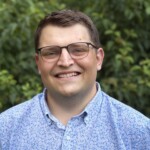
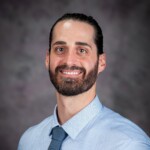
Duy Tran, EdD















Frequently Asked Questions
No, we do not have a GPA requirement to apply, however, a minimum 2.67 cumulative GPA is recommended.
No, you do not need a bachelor’s in premed or a related field to apply.
You may begin the application process prior to completing your undergraduate degree, however, you must receive a conferred bachelor’s degree from a regionally accredited institution prior to the start date of your choice.
Most students will complete the Post-Bacc Pre-Health program in 1-2 years. Students with no previous coursework may take longer to complete. Our admissions and student support team will work with you to design an education plan that fits your needs.
In a survey of UNE Online students and alumni, students across programs reported spending an average of 15-19 hours per week on coursework. It is recommended that students log in to their course multiple times per week.
Once accepted into the program, you can start anytime by taking any of our 16-week self-paced courses with two starts every month, you can take any of our approximately 8-week accelerated courses that line up with our three start terms entry points: Fall, Spring, or Summer, or you can take one of our 15-week structured courses in the Fall or Spring. During our summer sessions, we offer 6- and 12-week options. Students begin the program in the term that will align best with their schedules.
The UNE Online PBPH courses are 100% online. Courses are asynchronous— meaning no set meeting times. You are not required to be in your course at a certain time each day. However, there are weekly submission deadlines students must adhere to.
No, we do not accept transfer credits for the online Post-Bacc Pre-Health Certificate program. The curriculum we offer is 100% customizable, so you only take the courses you need and want to take, but you must take all 18-30 credits required to complete this program in our courses.
Most post-graduate health professions programs accept online coursework and labs, including those completed through UNE Online. However, acceptance policies vary by institution and program. We strongly encourage prospective students to confirm requirements directly with the programs they plan to apply to. Our student support team can provide course descriptions, sample syllabi, and additional documentation to help you share detailed information about UNE Online coursework during that verification process.
Students who are taking online post-baccalaureate, undergraduate courses through the College of Graduate and Professional Studies will be administratively dropped for non-participation if a graded assignment/discussion post has not been submitted prior to Sunday evening at 11:59 pm of the first week of the term. A full refund will be given to students who are administratively dropped. Participation is determined within the online learning environment by posting a graded Module One assignment by Sunday evening at 11:59 pm of the first week of the course. Students who do not participate during this time forfeit their rights to be reinstated into the course. Your Student Support Specialist will make a good-faith effort to contact students before dropping them by sending an email to their UNE email address (student@une.edu).
The institution will not monitor attendance after the first week of the session and will not be automatically administratively withdrawing students who stop participating, as after the add/drop period passes the act of withdrawing is a student-initiated practice. Students who use financial aid and fail all courses within a term will be reviewed for further participation.
Students can retake a Pre-Health course a maximum of two times for the purpose of replacing a grade. All attempts will be visible on the transcript but only the second or last attempt will receive credit or be calculated into the cumulative GPA. If a third attempt is needed, the student must formally request permission from the program administration. The full policy is published in the University Undergraduate Catalog under the heading Repeat Course Policy.
Students taking Pre-Health courses are only permitted to be enrolled in 12 active credits concurrently. Future session registration is allowed if the start dates and end dates do not overlap. Once a course grade has been submitted the course is no longer considered active. Active course enrollment is defined as a course that is in progress and does not have a final grade or a registration status of withdrawn or dropped.
100% Refund– Received only if dropped before your start date (No grade reflected on your transcript)
80% Refund– Received only if withdrawn within the first week of your course (W will be reflected on your transcript)
40% Refund– Received only if withdrawn within the second week of your course (W will be reflected on your transcript)
No Refund– After the second week of your course
A student may withdraw from a course after the add/drop period has ended through the designated withdrawal deadline. The withdrawal period for each session is published on the UNE Academic Calendar (refer to Post-Baccalaureate Pre-Health Program Academic Calendar). Please reach out to your Enrollment and Retention Counselor if you have questions about the withdrawal deadline for your course.
- A withdrawal results in a grade of “W” on the transcript. A “W” is not calculated into the GPA, but it will appear on the transcript.
- For refund information, please refer to the Refund Policy section. Students need to request a withdrawal through the Registrar’s office and will have until the withdrawal deadline 11:59pm ET to make a request:
- Complete the electronic Withdrawal Form (you will need to login with your UNE credentials)
Go to the Science Prerequisite Course Forms section - Complete the “Course Withdrawal, Post-Baccalaureate Pre-Health Program” form for your academic year
- Contact your assigned enrollment and retention counselor if you have questions or need help completing the form.
- Your withdrawal will be processed in 1-2 business days.
- Be sure to check your unofficial transcript on UNE Compass to verify the withdrawal.
- Complete the electronic Withdrawal Form (you will need to login with your UNE credentials)
Withdrawal Refund Policy
Week 1: 80% refund between Day 3 of the course and Day 7 (by 11:59pm ET on day 7).
Week 2: 40% refund between Day 8 of the course and Day 14 (by 11:59pm ET on day 14).
***No refund after the second week of the official course start date. ***
UNE students and alumni can access discounted MCAT, DAT, and GRE test prep through Kaplan’s UNE registration portal—using your une.edu email address to unlock your lower rate.
For any questions, please reference emails received from your Student Support Team or contact Student Support: prehealth@une.edu
The tuition can range from $8,550 – $14,250 depending on how many courses you need to take.
Yes. UNE Online’s Pre-Health Program maintains agreements with health professions programs at UNE and at partner institutions. Depending on the agreement, these provide a guaranteed admission interview or priority review of your application — not guaranteed admission. See all articulation agreements and eligibility criteria.
No, financial aid is not available for the Post-Bacc Pre-Health program. Private loans, military benefits, and employer tuition assistance are available to help students manage the cost of the Post-Bacc Pre-Health program. Contact Student Financial Services to discuss what may be available to you.
UNE Online offers a personalized Committee Letter process to support each Post-Bacc Pre-Health student’s health school application. Whether you are applying for school for medicine, physician assistant, dental, veterinary, nursing, physical therapy, or pharmacy, your application will be strengthened with a committee letter. The letter authored by a pre-health committee or advisor will offer advocacy on your behalf by highlighting your accomplishments, examining challenges, and outlining your overall motivation for pursuing your chosen career.
Many health professional schools strongly encourage a committee letter to strengthen an applicant’s candidacy. To apply for your Committee Letter Packet at UNE, you need successfully complete a minimum 18 credits in the PBPH program with a 3.0 or better, and complete all of the steps in the Committee Letter process, while meeting all deadlines.
The Committee Letter process will:
- Give you deadlines to prepare your application materials early (and to give you feedback on those materials well before application season opens)
- Help you be prepared to succeed in your professional school interviews
Discuss the committee letter process with your advisor for a detailed list of the steps to complete and deadlines to meet.
At the University of New England Online, we are committed to providing our students with the highest level of academic and personal support. Our online post-bacc pre-health certificate program was created with the working professional in mind. We understand the unique challenges of adult students who are often juggling school, career, and family, which is why we offer a robust Student Academic Success Center (SASC) and high-touch academic advising. Learn more about Student Support and Resources.