
Master of
Social Work (MSW)
100% Online

Learning Style
100% Online Fully Online CoursesApply By
10/16/26 Free to ApplyCredit Hours
60 Credits 30 Credits for BSW-holdersTest Free
No GRE Experience-Focused AdmissionMaster of Social Work Program Overview
The Master of Social Work (MSW) at University of New England Online is designed for working professionals seeking ethical, practice-focused preparation for diverse social work settings. Grounded in the National Association of Social Workers Code of Ethics and accredited by the Council on Social Work Education, the program emphasizes person-in-environment, anti-oppressive, and antiracist frameworks. Delivered 100% online and asynchronously, the MSW offers flexible full- and part-time options, competitive tuition, and personalized student support.
Students may pursue either a Traditional 60-credit pathway or a 30-credit Advanced Standing option for eligible BSW graduates. Both pathways integrate rigorous coursework with supervised practicums, including multiple placement models to accommodate professional and personal responsibilities. Focus areas allow students to tailor their studies in areas such as trauma-informed practice, medical social work, school social work, substance use, affirming social work practice, and advanced clinical skills.
Graduates develop strong competencies in assessment, intervention, research-informed practice, and professional leadership, preparing them to work with individuals, families, groups, organizations, and communities. With 1:1 practicum guidance, engaged faculty, and embedded experiential learning, UNE Online’s MSW prepares students for ethical social work practice nationwide.
Master of Social Work Focus Areas
The MSW program offers focused areas of study that allow students to align coursework with professional interests and career goals for both the traditional and advanced tracks. Each focus area builds specialized knowledge and applied skills within the core MSW curriculum, supporting preparation for diverse social work practice settings and population-specific roles.
School Social Work
Prepares students for practice in school settings through generalist and clinical coursework focused on children, adolescents, and caregivers. Students build therapeutic skills and select education-focused electives addressing IEPs, behavioral needs, and inclusive support strategies within multidisciplinary school environments nationwide contexts.
Medical Social Work
Prepares students for social work roles across healthcare settings through coursework addressing medical environments, psychopharmacology, grief, and loss. Students develop skills to support patients, families, and interdisciplinary teams while navigating complex health systems, ethics, and care transitions across diverse contexts.
Advanced Clinical Skills
Allows students to deepen advanced clinical practice by focusing intensively on three therapeutic intervention models. Through specialization electives, students strengthen assessment, intervention, and clinical decision-making skills applicable across diverse client populations and professional social work practice settings in multiple contexts.
Trauma-Informed Practice
Prepares students to lead and practice using trauma-informed frameworks grounded in neurobiology, evidence, and community knowledge. Coursework examines complex trauma, practitioner well-being, and organizational change, equipping students to implement trauma-responsive approaches across clinical and organizational systems and community-based practice settings.
Substance Use
Prepares students to work with individuals experiencing substance use and co-occurring conditions using strength-based, trauma-responsive approaches. Coursework examines policy, stigma, and social determinants while developing motivational interviewing and advanced clinical skills for ethical, community-centered substance use practice across diverse settings.
Affirming Social Work Practice
Prepares students to provide affirming, ethical, and evidence-informed care to LGBTQIA+ individuals and communities. Coursework emphasizes cultural humility, clinical practice, and advocacy, equipping students to promote equity and respond effectively to diverse needs across the lifespan and practice settings.
Is UNE Online’s MSW Accredited?
We are proud to hold NECHE (New England Commission on Higher Education) accreditation. NECHE Accreditation ensures a high level of academic quality and public accountability for the education being provided.
When choosing an institution of higher education, you want to be sure your investment will hold value upon completion. UNE Online’s Master of Social Work program proudly holds accreditation by the Council on Social Work Education’s (CSWE), verifying our academic quality and standards in the profession of social work education.
Download the 2024-2025 Public Reporting of Assessment Outcomes.
Download the 2025-2026 Public Reporting of Assessment Outcomes.
Best Colleges: National, U.S. News & World Report 2026
Complete Your Practicum While You Earn Your Degree
Practicum is a core component of UNE Online’s MSW program, providing hands-on experience that integrates coursework with real-world social work practice. Students apply theory in settings serving individuals, families, groups, and communities while building clinical skills, learning local resources, and developing professional networks.
Traditional MSW students complete two practicums: a 400-hour generalist practicum and a 500-hour specialization practicum. Advanced Standing students complete one 500-hour specialization practicum. Generalist placements emphasize case management, assessments, program review, and crisis intervention. Specialization practicums align with student interests and include clinical assessment, diagnosis, and individual, group, and/or family therapy.
Students are supported by UNE Online practicum faculty but are responsible for researching and securing placements. Planning begins approximately eight months in advance, with structured guidance for site searches, paperwork, and approvals. Many students work while enrolled, and employment-based placements may be possible when roles meet learning requirements.
Practicum format options include:
- A traditional 32-week model
- A 16-week block practicum
- A mixed Simulation and Onsite (S.O.S.) model combining online simulation with community-based practice settings nationwide
What are the Admissions Requirements?
At UNE Online, we take a holistic approach to admissions for the Master of Social Work (MSW) program. No GRE is required. The MSW is designed for individuals from diverse academic and professional backgrounds who are committed to ethical social work practice and advancing their ability to serve individuals, families, and communities. Successful applicants demonstrate intellectual curiosity, resilience, and the capacity to balance rigorous academic work with professional and personal responsibilities.
Admission Requirements
Earned from a regionally accredited institution (or international equivalent).
Students applying to the Advanced Standing pathway must have earned a BSW from a CSWE accredited program, preferably within the last 7 years and with a GPA of 3.0 or higher. They must have completed coursework equivalent to UNE Online’s generalist year courses
Students close to completing their bachelor’s degree may apply for conditional acceptance pending receipt of a final transcript.
GPA: Applications are reviewed holistically as a determination of academic readiness. The admissions committee values previous academic performance as indicated on transcripts and considers it as part of the review process.
Application Materials
Complete a fast and free online application.
Submit your resume detailing past work and education experience.
Provide answers to brief prompts about your past experiences and reason for applying.
Prompts include:
- What inspired you to pursue graduate study in your chosen field?
- What strengths or assets will support your success in this program and future profession?
- What areas of personal or professional growth do you hope to address and achieve through this program?
Submit your official transcript(s) showing conferral of a bachelor’s degree.
The program may require an admissions interview at their discretion.
If you have questions or would like additional information about our Master of Social Work program, schedule an appointment with an Enrollment Counselor or email socialworkonline@une.edu.
What is the MSW Curriculum?
The MSW curriculum provides a comprehensive foundation in social work practice, policy, research, and ethics. Students complete generalist and specialization coursework grounded in person-in-environment perspectives, anti-oppressive and antiracist frameworks, and evidence-informed decision-making. Integrated seminars and practicum education experiences emphasize applied learning and professional skill development. Designed for working professionals, the curriculum supports full- or part-time study while preparing graduates for licensure-eligible practice and ethical leadership across diverse social service, healthcare, and community-based settings.
Traditional Generalist Courses
SSWO 502 | 3 credit hours
HSBE explores different theories about how human beings develop, understand, and participate in social relationships that include societal structures and distributions of power and resources necessary for healthy human development; how we formulate and act on basic assumptions about ourselves and others; and how the identity and experience of individuals is affected by class, gender, race or ethnicity, age, sexual orientation, and other factors as these are reflected in different political-economic and cultural contexts. Students explore how these different contexts are embodied in people’s physical, mental, and relational lives.
SSWO 503 | 3 credit hours
Social Work Research I provides an orientation to the history of science and the range of methods for informing evidence-guided social work practice. Knowledge generation and its application to social work research will be examined critically from a paradigmatic level. Students will explore the continuous relationship between research, theory development, and practice principles and will develop an understanding of the context of research, ethics and values, use of research resources, problem formulation, measurement, sampling, and research design.
SSWO 504 | 3 credit hours
This course will build upon the knowledge, methods, and skills provided in the foundation research course. Students will continue to learn how to critically assess research from ethical, multicultural, and social inclusion perspectives with an emphasis on community-engagement and how to translate findings into meaningful action steps. Students will explore the role community-engaged research can play in their future roles as social work practitioners. The content of this course heavily integrates other elements of the MSW curriculum.
SSWO 505 | 3 credit hours
Social Policy and Advocacy examines social welfare policy and practice with a primary focus on the role professional social work plays in the development, implementation, and evaluation of social welfare policy as well as the impact social welfare policy has on the social work profession. This course provides a historical overview of social welfare policy and social work as a profession. Course content includes identification of the values and ideologies that have informed the evolution of social work and public social welfare policy—including, but not limited to, how systemic oppression and social justice emerge in social welfare policy and community settings. This course includes a semester-long project in which students have the opportunity to apply their knowledge of policy analysis and advocacy strategies.
SSWO 509 | 3 credit hours
Developing an anti-oppression social work practice requires an understanding of diversity and difference, power and privilege, and oppression–as well as understanding one’s self within these systems. In this course, students will engage in courageous conversation as they unpack Social Work’s history, both past and present, moving into an inclusive and anti-oppressive future. The themes of deconstructing systems of oppression, cultural wellness, intersectionality and practice strategies are infused through the course. A wide range of diverse populations will be discussed, reflecting the varied populations impacted by oppression, such as race, ethnicity, gender, sexual orientation, and physical differences. Additionally, students will examine the role, function, and effects of oppression in society as it relates to social and economic justice. Assumptions underlying theory and research methodologies from which basic constructs of human behavior are drawn will be examined to understand how power and other dynamics manage and sustain oppression at the individual and institutional levels. Also of interest here is how oppression affects service delivery at micro and macro levels, particularly social policies and strategic planning, which drive the shape of services.
SSWO 510 | 3 credit hours
SSWO 510 is the initial practice course for MSW students at UNE. This course is designed to be sequenced with SSWO 511 Practice II. In this course sequence students will gain an in-depth exploration of generalist social work practice with an emphasis on the integration of theory and practice skills. Students will delve into foundational and contemporary theories, ethical principles, and practice methodologies. This course sequence utilizes simulated client engagement experiences that support students learning and mimics real-world scenarios. In SSWO 510 students will cover key topics such as ethical decision-making, cultural considerations, relationship building, client assessment, collaborative community partnerships, generalist practice intervention strategies, and evaluation techniques.
SSWO 511 | 3 credit hours
SSWO 511 is the second practice course for MSW students at UNE. This course is designed to be sequenced with SSWO 510 Practice I. In this course sequence students will gain an in-depth exploration of generalist social work practice with an emphasis on the integration of theory and practice skills. Students will delve into foundational and contemporary theories, ethical principles, and practice methodologies. This course sequence utilizes simulated client engagement experiences that support students’ learning and mimics real-world scenarios. In SSWO 511 students will cover key topics such as generalist practice with families, groups, and communities.
SSWO 521 | 3 credit hours
Integrating Seminar & Practicum I & II is a two-term sequenced set of courses designed to complement student’s agency supervised generalist social work practice. Students complete their required hours of experiential learning in an approved social service organizational setting in which they learn, practice, and receive feedback on their multi-level generalist social work skills. The seminar provides students with opportunities to practice ethical communication and critical thinking skills as well as discuss and reflect on professional social work practice issues that arise in their practicum experience. Students use seminar class to monitor their own learning experience and progress in attaining educational and professional goals. Through mixed learning methods, students have the opportunity to explore, connect, apply, and discuss classroom learnings into their practicum setting. Students also have the opportunity to develop skills for self-reflection, self-awareness and reflexivity, and to broaden and deepen their understanding of social work’s inherent values such as honoring dignity and worth of each person, clients’ right to self-determination, social justice, equity and inclusion, honor and respect for diversity, and cultural humility. SSWO 521 provides a venue for students to establish, broaden and deepen their generalist social work practice. Students are expected to abide by The Code of Ethics of the National Association of Social Workers in their practice with clients and agencies/organizations.
SSWO 523 | 3 credit hours
Integrating Seminar/Practicum I & II is a two-semester, sequenced course designed to provide students with a supervised generalist social work practice experience in a social service organization. Students complete 400 hours of experiential learning in an approved social service organizational setting in which they learn generalist social work skills for multi-level and multi-sector practice. The integrating Seminar provides students with opportunities to practice ethical communication and critical thinking skills as well as discuss and reflect on professional social work practice issues from their practicum experience. Students use seminar class to monitor their own learning experience and progress in attaining educational and professional goals. Students have opportunity to explore their experiences with applying classroom learning into the practicum setting, develop skills for self-reflection, self-awareness and reflexivity, and to broaden and deepen their understanding of social work’s inherent values such as honoring dignity and worth of each person, clients’ right to self-determination, social justice, equity and inclusion, honor and respect for diversity, and cultural humility. Students are expected to abide by The Code of Ethics of the National Association of Social Workers.
SSWO 585 | 3 credit hours
The focus of this course is to examine the biopsychosocial-spiritual context of substance use/misuse through the intersection of multiple individual, family, organizational, societal and political systems that contribute to risk and healing. We will explore the impact of social dislocation, trauma, and neurobiology as it relates to those who are experiencing substance use disorders. Students will learn to identify through a person-centered, strength based, biopsychosocial lens toward how substances became a way of coping with life’s challenges and how substance use is a process of dis-ease through a sociocultural context. Students will be introduced to introductory evidence-based treatment modalities and explore resources to aid in prevention and intervention with individuals, families, organizations and policy makers by investigating their communities for recovery readiness.
Traditional Specialization Courses
SSWO 552 | 3 credit hours
This is the initial Advanced Clinical Practice course for MSW students at UNE. This course is designed to be sequenced with SSWO 553 Advanced Clinical Practice II. In this course sequence, students engage in intense experiential learning, practicing clinical intervention skills and methods with clients. Students will also explore ethical challenges that arise in client work. This course sequence utilizes simulated client engagement experiences that support students’ learning and mimic real-world scenarios.
SSWO 553 | 3 credit hours
This is the second Advanced Clinical Practice course for MSW students at UNE. This course is designed to be sequenced with SSWO 552 Advanced Clinical Practice I. In this course sequence students engage in intense experiential learning practicing clinical intervention skills and methods with clients. Students will also explore ethical challenges that arise in client work. This course sequence utilizes simulated client engagement experiences that support students’ learning and mimics real-world scenarios.
SSWO 565 | 3 credit hours
This course explores the roles of social workers in various leadership and supervisory capacities. Students will gain an understanding of the importance that leadership, organizational culture, teamwork, collaboration, and interprofessional perspectives have on an organization, its employees, and its clients.
SSWO 597 | 3 credit hours
This course is designed to prepare social work students with the Diagnostic Statistical Manual used routinely in the mental health field. It incorporates social work practice skills of assessment while developing diagnostic skills needed in a clinical setting. The use of the DSM and learning material further develops one’s practice skills in an ethical, culturally humble manner including race, culture, sexual identity and medical disorders while identifying psychiatric disorders that clients present when seeking assistance. The learning material includes required textbooks, scholarly literature, case studies and videos representing symptoms aligned with the DSM criteria to promote student obtaining working knowledge for use in clinical practice applicable in the mental health field.
SSWO 581 | 3 credit hours
Practicum & Integrating Seminar III & IV is a two-term sequenced set of courses designed to complement student’s agency supervised advanced social work practice. Students complete their required hours of experiential learning in an approved social service organization setting in which they learn, practice, and receive feedback on their multi-level integrated clinical social work skills. The integrating seminar provides students with opportunities to practice ethical communication, critical thinking and case formulation as well as to discuss and reflect on professional social work practice issues that arise in their practicum experience. Through mixed learning methods, students have the opportunity to explore, connect, apply and discuss advanced practice theories and concepts learned in the classroom into the practicum setting. Students also have the opportunity to develop skills for self-reflection, self-awareness and reflexivity, and to broaden and deepen their understanding of social work’s inherent values such as honoring dignity and worth of each person, clients’ right to self-determination, social justice, equity and inclusion, honor and respect for diversity, and cultural humility in an integrated clinical social work setting. SSWO 580 provides a venue for students to deepen, broaden and further ground their experience of specialized social work practice and prepare to transition to professional social worker. Students are expected to abide by The Code of Ethics of the National Association of Social Workers in their practice with clients and agencies/organizations.
SSWO 583 | 3 credit hours
Practicum & Integrating Seminar III & IV is a two-term sequenced set of courses designed to complement student’s agency supervised advanced social work practice. Students complete their required hours of experiential learning in an approved social service organization setting in which they learn, practice, and receive feedback on their multi-level integrated clinical social work skills. The integrating seminar provides students with opportunities to practice ethical communication, critical thinking and case formulation as well as to discuss and reflect on professional social work practice issues that arise in their practicum experience. Through mixed learning methods, students have the opportunity to explore, connect, apply and discuss advanced practice theories and concepts learned in the classroom into the practicum setting. Students also have the opportunity to develop skills for self-reflection, self-awareness and reflexivity, and to broaden and deepen their understanding of social work’s inherent values such as honoring dignity and worth of each person, clients’ right to self-determination, social justice, equity and inclusion, honor and respect for diversity, and cultural humility in an integrated clinical social work setting.
SSWO 581 provides a venue for students to deepen, broaden and further ground their experience of specialized social work practice and prepare to transition to professional social worker.
Students are expected to abide by The Code of Ethics of the National Association of Social Workers in their practice with clients and agencies/organizations.
Advanced Standing Courses
SSWO 552 | 3 credit hours
This is the initial Advanced Clinical Practice course for MSW students at UNE. This course is designed to be sequenced with SSWO 553 Advanced Clinical Practice II. In this course sequence, students engage in intense experiential learning, practicing clinical intervention skills and methods with clients. Students will also explore ethical challenges that arise in client work. This course sequence utilizes simulated client engagement experiences that support students’ learning and mimic real-world scenarios.
SSWO 553 | 3 credit hours
This is the second Advanced Clinical Practice course for MSW students at UNE. This course is designed to be sequenced with SSWO 552 Advanced Clinical Practice I. In this course sequence students engage in intense experiential learning practicing clinical intervention skills and methods with clients. Students will also explore ethical challenges that arise in client work. This course sequence utilizes simulated client engagement experiences that support students’ learning and mimics real-world scenarios.
SSWO 565 | 3 credit hours
This course explores the roles of social workers in various leadership and supervisory capacities. Students will gain an understanding of the importance that leadership, organizational culture, teamwork, collaboration, and interprofessional perspectives have on an organization, its employees, and its clients.
SSWO 597 | 3 credit hours
This course is designed to prepare social work students with the Diagnostic Statistical Manual used routinely in the mental health field. It incorporates social work practice skills of assessment while developing diagnostic skills needed in a clinical setting. The use of the DSM and learning material further develops one’s practice skills in an ethical, culturally humble manner including race, culture, sexual identity and medical disorders while identifying psychiatric disorders that clients present when seeking assistance. The learning material includes required textbooks, scholarly literature, case studies and videos representing symptoms aligned with the DSM criteria to promote student obtaining working knowledge for use in clinical practice applicable in the mental health field.
SSWO 581 | 3 credit hours
Practicum & Integrating Seminar III & IV is a two-term sequenced set of courses designed to complement student’s agency supervised advanced social work practice. Students complete their required hours of experiential learning in an approved social service organization setting in which they learn, practice, and receive feedback on their multi-level integrated clinical social work skills. The integrating seminar provides students with opportunities to practice ethical communication, critical thinking and case formulation as well as to discuss and reflect on professional social work practice issues that arise in their practicum experience. Through mixed learning methods, students have the opportunity to explore, connect, apply and discuss advanced practice theories and concepts learned in the classroom into the practicum setting. Students also have the opportunity to develop skills for self-reflection, self-awareness and reflexivity, and to broaden and deepen their understanding of social work’s inherent values such as honoring dignity and worth of each person, clients’ right to self-determination, social justice, equity and inclusion, honor and respect for diversity, and cultural humility in an integrated clinical social work setting. SSWO 580 provides a venue for students to deepen, broaden and further ground their experience of specialized social work practice and prepare to transition to professional social worker. Students are expected to abide by The Code of Ethics of the National Association of Social Workers in their practice with clients and agencies/organizations.
SSWO 583 | 3 credit hours
Practicum & Integrating Seminar III & IV is a two-term sequenced set of courses designed to complement student’s agency supervised advanced social work practice. Students complete their required hours of experiential learning in an approved social service organization setting in which they learn, practice, and receive feedback on their multi-level integrated clinical social work skills. The integrating seminar provides students with opportunities to practice ethical communication, critical thinking and case formulation as well as to discuss and reflect on professional social work practice issues that arise in their practicum experience. Through mixed learning methods, students have the opportunity to explore, connect, apply and discuss advanced practice theories and concepts learned in the classroom into the practicum setting. Students also have the opportunity to develop skills for self-reflection, self-awareness and reflexivity, and to broaden and deepen their understanding of social work’s inherent values such as honoring dignity and worth of each person, clients’ right to self-determination, social justice, equity and inclusion, honor and respect for diversity, and cultural humility in an integrated clinical social work setting.
SSWO 581 provides a venue for students to deepen, broaden and further ground their experience of specialized social work practice and prepare to transition to professional social worker.
Students are expected to abide by The Code of Ethics of the National Association of Social Workers in their practice with clients and agencies/organizations.
Electives
SSWO 571 | 3 credit hours
This course will examine policy, varying service delivery systems, funding and the role of social workers in the areas of partner abuse, child abuse and elder abuse. This course will help students understand the context in which domestic violence practice occurs. The course will also focus on the role of the social worker in assessing for domestic violence with their clients. Culturally sensitive practice issues will be discussed and their impact on individuals seeking services. The course will also focus on developing student’s abilities in assessment and intervention techniques with both survivors and individuals that batter. The course focuses on developing students’ abilities to identify and explore ethical issues in domestic violence practice.
SSWO 575 | 3 credit hours
This course will provide the graduate MSW student with a general understanding of social work roles and responsibilities when working in Health Care settings such as hospitals, skilled nursing facilities and clinics. Students will learn and demonstrate gained knowledge and practice skills when assisting others of all ages in these settings.
Areas to be addressed include medical terminology, biopsychosocial assessment for health care settings, treatment planning, professional interdisciplinary team collaboration, leadership and social work ethics.
SSWO 576 | 3 credit hours
This course introduces graduate students to school social work practice within PK–12 educational settings. Through an ecological systems perspective, the curriculum examines the diverse roles and responsibilities of school social workers in addressing students’ academic, social, emotional, behavioral, and mental health needs. Emphasis is placed on ethical, evidence-informed practice across micro, mezzo, and macro levels of intervention, as well as collaboration with families, educators, interdisciplinary teams, and community partners to promote student success.
Contemporary issues affecting schools, such as school safety, attendance, housing insecurity, educational equity, cultural responsiveness, and services for students with disabilities, are explored. The course further examines the organizational structure of schools, the impact of federal and state educational policies, and the legal and ethical responsibilities of school social workers. Students will develop a professional understanding of advocacy, anti-racist and culturally responsive practice, and the role of school social workers in advancing equitable educational opportunities. The curriculum also addresses state-specific certification requirements for school social work.
SSWO 585 | 3 credit hours
The focus of this course is to examine the biopsychosocial-spiritual context of substance use/misuse through the intersection of multiple individual, family, organizational, societal and political systems that contribute to risk and healing. We will explore the impact of social dislocation, trauma, and neurobiology as it relates to those who are experiencing substance use disorders. Students will learn to identify through a person-centered, strength based, biopsychosocial lens toward how substances became a way of coping with life’s challenges and how substance use is a process of dis-ease through a sociocultural context. Students will be introduced to introductory evidence-based treatment modalities and explore resources to aid in prevention and intervention with individuals, families, organizations and policy makers by investigating their communities for recovery readiness.
SSWO 603 | 3 credit hours
This course is open to all MSW students, generalist and specialization year.
It is considered a clinical elective for licensing requirements. Cognitive Behavioral Therapy (CBT) is an evidence-based treatment for trauma and various psychological and behavioral health issues. Psychologists for psychology students develop most CBT training programs. This course is unique because its development is by clinical social workers, specifically for clinical social work students. Classic CBT theory and interventions are adapted and re-framed to provide a strengths-based perspective, considering “person-in-environment” and the effects of trauma on human health and wellness. Upon completing this course, MSW students will have the knowledge and skills to integrate a CBT approach in clinical practice that aligns with social work principles and values and trauma-informed care systems.
SSWO 609 | 3 credit hours
Building on the SSWO 585 Substance Use: A Social Work Perspective course, this course further prepares students for direct clinical practice with individuals and their families experiencing substance use disorder through a co-occurring treatment lens. Students will be introduced to the ASAM Assessment criteria as it relates to the biopsychosocial – spiritual perspective of social work practice using a mental health and addictions focused lens to inform their assessment, diagnosis, treatment planning and interventions. Students will integrate the foundational content of prerequisite 585 while examining the 12 core competencies of addiction counseling as they relate to co-occurring clinical practice. Students will explore best practices for co-occurring treatment and engage in practical applications of evidence-based theories and treatment modalities that utilize a mind body approach to healing through role play, case studies, discussions and reflections.
SSWO 611 | 3 credit hours
This course will examine policy, varying service delivery systems, funding and the role of social workers in the areas of partner abuse, child abuse and elder abuse. This course will help students understand the context in which domestic violence practice occurs. The course will also focus on the role of the social worker in assessing for domestic violence with their clients. Culturally sensitive practice issues will be discussed and their impact on individuals seeking services. The course will also focus on developing student’s abilities in assessment and intervention techniques with both survivors and individuals that batter. The course focuses on developing students’ abilities to identify and explore ethical issues in domestic violence practice.
SSWO 613 | 3 credit hours
This course explores working with survivors in a trauma-based practice which validates the experience, respects the survivor, and helps her/him to become empowered. An examination of personal beliefs and definitions of trauma will serve as a first step toward the study of advanced trauma based practice. Using Trauma Theory as a foundation, students will learn practice methods and approaches that may be helpful in working with survivors. Case presentations will allow students the opportunity to discuss alternative practice approaches, understand the trauma survivor’s experience, and support & critique peers.
Addendum: This course provides a general understanding of trauma and its effect on the brain caused by various types of trauma experiences and the differences of outcomes of trauma upon people especially those of diverse backgrounds. It will provide opportunity for the examination of personal beliefs with regard to trauma and consideration of practice in an anti racist, diverse, equitable, and inclusive manner. The use of a Trauma Informed approach and various treatment modalities are presented and will assist students to learn social work practice interventions that will be helpful for survivors of trauma experiences.
This course addresses traumatic events, exposure and outcomes that social workers will most likely assess and provide practice interventions for clients throughout their career. As we learn through the course about trauma and the negative effects, it is important that students recognize how this material may also affect them. Do be mindful of your own needs. There is no requirement to share or discuss in the Discussion Boards or Reflective Journals any personal information that can result in your discomfort. It is more important that you engage in the course with peers and faculty in a meaningful manner that promotes your learning and while not triggering discomfort. The course faculty is available to assist if such situations arise.
SSWO 618 | 3 credit hours
Homelessness and Social Work: Voices from the Street. This course is aimed at increasing student awareness of contemporary social welfare policies, programs and practice issues relevant to providing social work services to homeless and other poor people. The homeless experience is examined in the context of societal oppression and political resistance.
SSWO 621 | 3 credit hours
This course provides a foundational understanding of working affirmingly with individuals across the LGBTQIA+ community. Through exploration of key terminology, identity development models, and historical milestones, students will deepen their cultural awareness and clinical sensitivity. Topics include risk and protective factors, health care disparities, the impact of bias and microaggressions in practice, and the importance of affirming language, pronouns, and allyship. Designed to strengthen competence and confidence, this course equips social work students and other allied health professionals with essential tools to provide inclusive and client-centered care to members of the LGBTQIA+ community.
SSWO 622 | 3 credit hours
This course builds upon foundational knowledge to deepen students’ clinical competencies and ethical practice skills when working with LGBTQIA+ individuals, families, and groups. Emphasis is placed on affirming assessment and diagnostic processes, including a historical review of the DSM’s treatment of sexual orientation and gender identity, the exploration of common and complex clinical presentations, and the behavioral health disparities impacting LGBTQIA+ communities. Students will critically examine practice theories relevant to LGBTQIA+ populations, including trauma-informed, strengths-based, and minority stress frameworks, and apply evidence-based and evidence-informed interventions across practice settings. The course also presents information on the harmful and unethical practice of conversion therapy, including its historical roots, contemporary manifestations, and professional consensus opposing its use. Ethical considerations—including confidentiality, informed consent, documentation, dual relationships, and navigating value conflicts—are explored with particular attention to best practices in documentation for services provided to LGBTQIA+ clients. Students will also review key highlights of the World Professional Association for Transgender Health (WPATH) Standards of Care as they relate to ethical, affirming practice with clients seeking medical transition-related services. Designed to support the development of clinical judgment and professional confidence, this course prepares social work students and allied health professionals to deliver ethically sound, culturally responsive, and clinically effective care with LGBTQIA+ individuals, families, and groups.
SSWO 623 | 3 credit hours
Description coming soon
SSWO 627 | 3 credit hours
This course examines concepts in psycho-pharmacology, neurophysiology, psychoactive drug classification. Physiological, and psycho-logical aspects of psychopharmacological agents used in the treatment of psychiatric disorders are presented. Psychopharmacology with the geriatric population is explored. The parts of the brain affected by alcohol, marijuana, opiates, cocaine, and other street drugs are discussed.
SSWO 628 | 3 credit hours
This course relates the application of creative arts, including music, literature, theatre, art, poetry, movement, and dance, to increasing self-awareness, working directly with clients, enhancing social awareness of core social issues, and enhancing civic dialogue. Includes presentations by diverse community artists.
SSWO 633 | 3 credit hours
This specialization year elective focuses on developing clinical skills specifically for social work practice with children, adolescents, and their caregivers. Methods of building relationships with children, adolescents and caregivers are explored, as are specific child-centered interventions and techniques. Additionally, there is a focus on interdisciplinary models of practice, including wrap-around services and the overall development of networks and partnerships between social workers and other child-centered professionals.
SSWO 635 | 3 credit hours
This course is a progressive overview of the field of aging beginning with the history and theories of gerontology and transitioning to the methods providers use with older consumers to maintain wellness and high functional levels in the later years. The latest research on exercise, nutrition and alternative and complementary health care for an aging population is emphasized.
SSWO 642 | 3 credit hours
This advanced practice course provides students with the opportunity to learn the theory and practice of Narrative Therapy. The UNE School of Social Work Mission and Values state; “the School embraces a comprehensive definition of health as a state of complete physical, emotional, social, and spiritual well-being… teaching empowering theories for practice and developing collaborative relationships based on mutuality and respect”. Narrative Therapy is one such empowering theory. Students will have the opportunity to explore the historical development of this contemporary theory and to observe and practice Narrative Therapy through interactive role-plays and video-taped sessions with classmates and the instructor.
SSWO 643 | 3 credit hours
This course focuses on one of today’s popular therapeutic approaches, Acceptance and Commitment Therapy, commonly referred to as ACT. The course uses a case-based learning approach to provide student-learners with hands-on experiential learning opportunities to practice the specific skills and therapeutic strategies being presented.
“ACT is based on a philosophy of science, functional contextualism, that focuses on the behavior of individuals within their historical and situational contexts. ACT draws on a comprehensive theory of language, relational frame theory (RFT), which accounts for the influence of culturally shaped language processes on learning and human behavior. ACT and RFT are supported by a growing body of research that supports ACT’s efficacy with a wide variety of problems and suggests that ACT works by its theorized mechanism of change. ACT can be delivered in an array of formats and is easily accessible for those seeking training, and ACT offers a non-stigmatizing, universalizing approach to alleviating suffering that positions social workers and clients as subject to the same, normally occurring processes of human behavior” (Boone et al., 2015).
Enjoy the journey through this empowering approach to healing, recovery, and growth!
SSWO 650 | 3 credit hours
This course will prepare students to become practitioners and leaders versed in Adverse Childhood Experiences, resiliency, historical and intergenerational trauma, and trauma-informed theory. Students will explore these trauma-informed principles and apply them on micro and macro levels through a focus on implementation science for trauma-informed organizational and individual practice change. This course provides a strong foundation that complements clinical electives such as Advanced Trauma Practices.
SSWO 652 | 3 credit hours
Motivational Interviewing is a way of collaborating with clients empathetically and in a person-centered way that helps clients to find their own motivations for change. In this course, students will learn the fundamentals of motivational interviewing and will have the opportunity to practice intensively within the context of any helping profession. Students will learn core principles of motivational interviewing including expressing empathy and dancing with discord, developing discrepancy, and supporting self-efficacy. We will explore enhancing strategies for promoting individual change in primary healthcare settings and the use of motivational interviewing in achieving better health outcomes.
SSWO 657 | 3 credit hours
This course examines how social, political, and contextual factors influence mental health, psychosocial, and behavioral outcomes and treatment-seeking behaviors among military personnel, veterans, and their families. Students will examine the military from a variety of perspectives, including its background and organization, social systems, core values, artifacts, language and socially acceptable practices as these practices impact soldiers. This course addresses the needs of active duty, deployed service members, veterans, and their families at different developmental phases of the military life course. A range of physical, mental, and psychosocial issues including deployment stressors and post-deployment mental health (i.e., physical challenges, posttraumatic stress disorder, traumatic brain injury, anxiety and depressive symptoms, substance use/abuse, suicidal ideation, and interpersonal conflicts) will be addressed in this course.
SSWO 670 | 3 credit hours
An interdisciplinary course on death and dying, we will explore the death system, funerals, economic considerations of death, care of the dying and the bereaved of all ages, psychological dynamics dealing with the death, and ultimate questions in relationship to death and bereavement. The course will examine the basic principles of palliative care, bereavement and grief in all age groups, suicide and grief, issues around refugee and immigrant experience with death, various philosophical and religious understandings of death, meaning of life, ethical issues related to the care of the dying and the bereaved. We will explore the nature of grief and loss, the personal characteristics of effective practitioners, communication skills used in practice, the goals and techniques of practice with people who are grieving, approaches to helping those who are dying, and specific interventions that are helpful to bereaved clients in cases of prolonged grief, mourning a child or those whose deaths were stigmatized or unanticipated. Students will explore their own personal, cultural, and spiritual experiences, beliefs and values around death and dying.
SSWO 673 | 3 credit hours
This course, “Social Work Practice and the Law” is designed to introduce students to the various components of law and how the exchanges between legal professionals and a social worker coincides when an individual, family, or group is faced with legal issues. It provides an introductory examination of historical frameworks of both law/social work and how the two systems interact with one another within all of the legal and social work domains. This course showcases the systems perspective as well as practice techniques in communicating and collaborating across professional fields. The goal of this course is to understand the context of law, social work, and their continuing relevance to understanding and meeting a client’s legal needs.
What are the MSW Career Outcomes?
Graduates of the Master of Social Work (MSW) are prepared for a range of roles in social work and community-based practice. According to the U.S. Bureau of Labor Statistics, employment of social workers is projected to grow 6% from 2024 to 2034, faster than the average for all occupations, with about 74,000 openings expected per year due to growth and replacement needs.
MSW graduates often pursue careers that involve direct service, advocacy, and support across diverse populations and settings. Common professional pathways include Child, Family, and School Social Workers, who support children’s well-being and family functioning; Healthcare Social Workers, who help patients and families cope with illness and navigate health systems; and Mental Health and Substance Abuse Social Workers, who provide counseling and intervention services.
Since licensure requirements vary by state and role, MSW graduates typically pursue state social work licensure (such as LCSW) to practice independently and expand career opportunities in clinical, healthcare, educational, and community settings.

Job Growth Trajectory
Graduates of the Master of Social Work (MSW) are prepared for professional roles that support individuals, families, groups, and communities across a wide range of practice settings. Career outcomes are shaped by area of practice, professional experience, and state licensure requirements. Many MSW graduates pursue roles in clinical, healthcare, educational, and community-based environments, with opportunities for advancement through supervised experience and licensure.
- Social and Community Service Manager
- 6% growth from 2024–2034
- Child, Family, and School Social Worker
- 6% growth from 2024–2034
- Healthcare Social Worker
- 6% growth from 2024–2034
- Mental Health and Substance Abuse Social Worker
- 6% growth from 2024–2034
Important Dates
Apply By
10/16/26Application Deadline
Classes Start
10/28/26Start Classes Soon
Next Application Deadline
12/21/26Explore the Program
What are the Tuition and Fees?
Tuition for the University of New England Online Master of Social Work (MSW) is competitive among other schools at $1,010/credit.* Because all of our courses are delivered 100% online, you will not incur the cost of traveling to campus or relocating to complete your degree.
*Tuition and fees are subject to change and do not include the cost of books or other materials. Please contact Student Financial Services to learn more.
Free Application
General Services Fee (per semester): $345
Malpractice Insurance Fee (annual): $45
Registration Fee (non-matriculated students per semester): $45
Is Financial Aid Available for UNE Online’s MSW program
We are here to help you finance your online education so that you can earn a degree that’s convenient, affordable, and still allows you to balance all of the other important aspects of your life. Several options exist to help you meet your educational costs. Student Financial Services has also created a step-by-step process for applying for aid.
Why Choose UNE?
Flexible Online Formats
Flexible online formats designed for working professionals, career changers, and lifelong learners balancing goals, schedules, and responsibilities confidently.
Applied Learning
Applied, real-world learning focused on practical skills, clear outcomes, and immediate relevance across diverse professional contexts and industries.
Faculty
Expert instructors, supportive advising, and intentional design ensure learners gain confidence, momentum, and meaningful progress through every program.
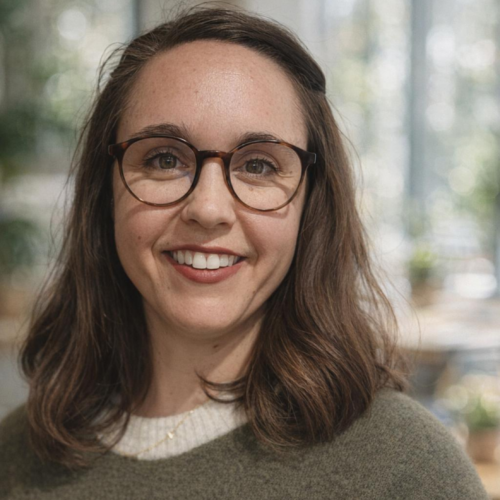
“What I love most about UNE Online is the incredible flexibility and accessibility, allowing me to pursue my education while balancing my personal and professional commitments. The curriculum is grounded in the latest research, equipping me with evidence-based skills that have enhanced my practice. I highly recommend UNE Online to anyone looking for a high-quality, supportive, and flexible learning experience.”
—Lindsay ‘25
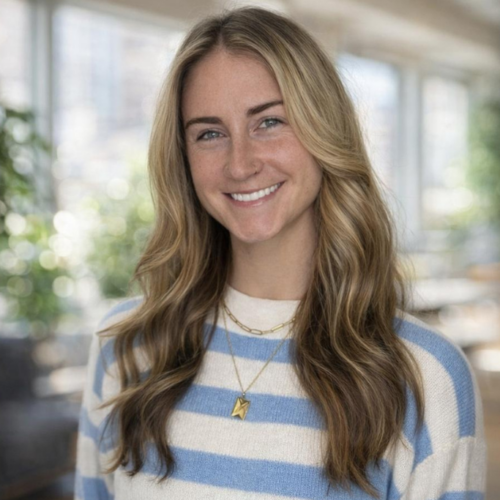
“The thing I love most about UNE Online is the flexibility. Not only do they understand that most of their students are working professionals, but that they have other responsibilities, such as family, friends, and hobbies. They do a great job of work-life balance and making sure that all their students are practicing self-care.”
—Shannon ‘26
Who’s Part of the MSW Faculty?
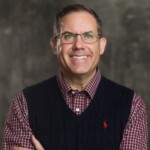
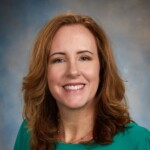
Jennifer O’Neil, PhD, LCSW, MSW
Associate Dean of Academic Affairs, Director, School of Social Work, Director of Graduate Programs Online, Assistant Clinical Professor

Rebecca Diggins, MSW, LCSW
Director for Practicum Education Assistant Clinical Faculty

Erin Benner, MSW, LCSW
Assistant Clinical Professor, Assistant Director of Practicum Education

Thomas Chalmers McLaughlin, MSW, PhD
Professor, Co-Director for the Social Work Center for Research and Evaluation

Olivia Montgomery, MSW, LICSW
Assistant Clinical Professor, Practicum Education Coordinator

Lori Power, EdD, LMSW, MA
Associate Director, School of Social Work, Associate Teaching Professor

Tiffany Randall, DSW., LCSW, MSW
Assistant Teaching Professor

Lacey Sawyer, MSW, LCSW, LADC, CCS
Assistant Clinical Professor, Practicum Education Coordinator

Nancy Shore, PhD, MSW, MPH
Professor, Senior Consultant Community-Campus Partnerships for Health








Frequently Asked Questions
No, for the Traditional pathway, you do not need a BSW to apply. However, for the Advanced Standing pathway, applicants must have earned a BSW from a CSWE accredited program, with a GPA of 3.0 or higher. They must have completed coursework equivalent to UNE Online’s generalist year courses.
No, CSWE does not allow for accredited MSW programs to take work or life experience for credits towards their MSW degree.
The GRE is not required as part of the admissions process. If you have taken the GRE, you are welcome to provide your score as part of your application package, but the GRE is not a requirement.
Petitions for transfer credits for graduate social work courses to be submitted at the time of acceptance to the School of Social Work. Up to nine (9) credits may be transferred for courses completed with a minimum grade of B and equivalent to UNE SSW foundation courses.
Consideration of transfer credit beyond nine (9) credits, as well as courses outside of social work may be considered on a case-by-case basis at the time of admission. Please reach out to our enrollment counselors at socialworkonline@une.edu for more information.
The traditional pathway can be completed in 3 to 4 years, and the advanced standing pathway can be completed in 16 months to 2 years. Options for acceleration are available, please speak to your enrollment counselor at socialworkonline@une.edu.
This program is aligned with State of Maine social work licensing requirements, but can fulfill the requirements for licensure in other states. Licensing requirements vary by state and have specific regulatory requirements and laws governing the practice of social work. For additional information, please review this link regarding licensing and state requirements for this program.
For the best outcomes, it is recommended that students reserve approximately 15-20 hours per week for coursework and studying; this will increase when you enter field placement.
No. All of our courses are asynchronous, meaning you choose when to log in and complete your coursework (while adhering to all posted deadlines and due dates, of course). However, the practicum experience requires in person hours at designated times based upon the pre-arranged schedule.
Yes, the MSW program is specifically designed with the working professional in mind. In fact, in a 2022-23 poll of UNE Online students and alumni, 87.3% reported that they were working (64.7% full-time, 22.7% part-time) while completing their degree.
However, students working 40 hours a week will likely not be able to complete the practicum requirement of the program unless some adjustment is made in their work schedule.
For Traditional students, two practicums (the generalist 400-hour practicum and the specialization 500-hour practicum) are required. For Advanced Standing students, one 500-hour practicum is required. For additional information regarding practicum, please download our practicum planning FAQ.
Months before you are scheduled to start your practicum, you will be assigned a Practicum Faculty who will help guide you through the process of securing a practicum.
The Practicum Faculty will:
- Be available to offer suggestions and helpful tips when interviewing or establishing sites.
- Help ensure your practicum aligns with your generalist/ specialization year requirements, as well as UNE policies and regulations.
- Support your search and answer any questions you have during the entire process.
Though they are a unique and immense source of support, Practicum Faculty do not find practicum sites for you. You will be asked to make your own personal contacts with potential sites in your area. To guide your search, upon enrollment, you can access a database of practicum sites that our MSW students have previously had success with. More information can be found on our Practicum FAQ sheet.
Yes, there are options to explore using your job as placement or a place of employment practicum if the employment role meets the learning requirements. Place of employment practicum sites require special approval through the MSWO Practicum Team. For more information, please contact an Enrollment Counselor at (877) 863-6791 or socialworkonline@une.edu.
The tuition for the online MSW program is $60,600 for the Traditional Pathway, and $30,300 for the Advance Standing Pathway.
Yes, financial aid may be available. UNE Online encourages students seeking financial assistance to complete the Free Application for Federal Student Aid (FAFSA). Many students qualify for Direct Subsidized and/or Direct Unsubsidized loans. For more information about financing options, contact Student Financial Services to discuss what may be available to you.
At the University of New England Online, we are committed to providing our students with the highest level of academic and personal support. Our online social work master’s program was created with the working professional in mind. We understand the unique challenges of adult students who are often juggling school, career, and family, which is why we offer a robust Student Academic Success Center (SASC) and high-touch academic advising. Learn more about Student Support and Resources.